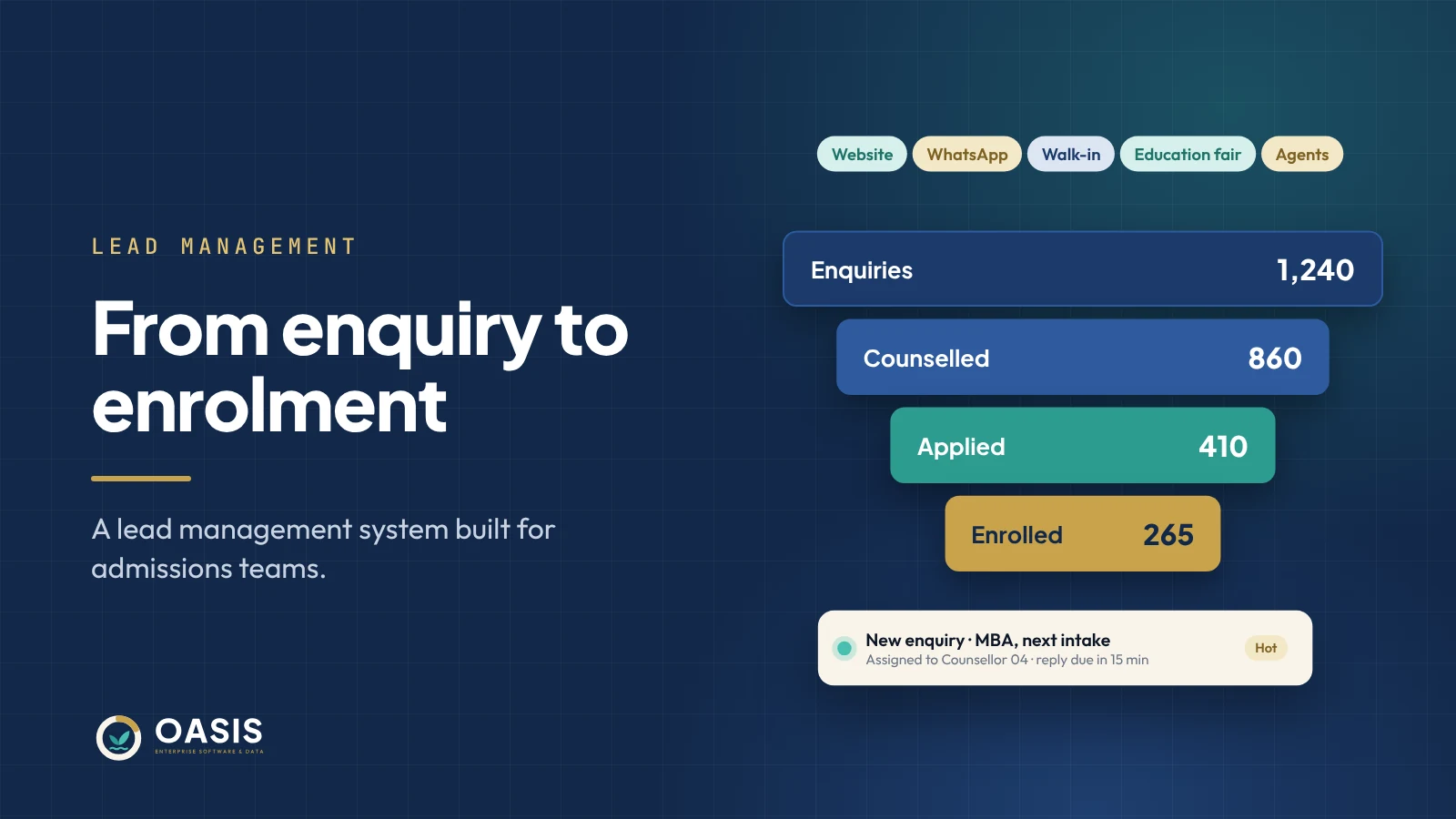

Most institutes do not have an enquiry problem. They have a follow-up problem. Enquiries arrive from the website, WhatsApp, phone calls, walk-ins, education fairs and agents, and each one lands somewhere different: a shared inbox, a counsellor's phone, a register at the front desk, a spreadsheet someone updates on Friday. By the time an enquiry gets a proper reply, the student has often spoken to two other institutes.
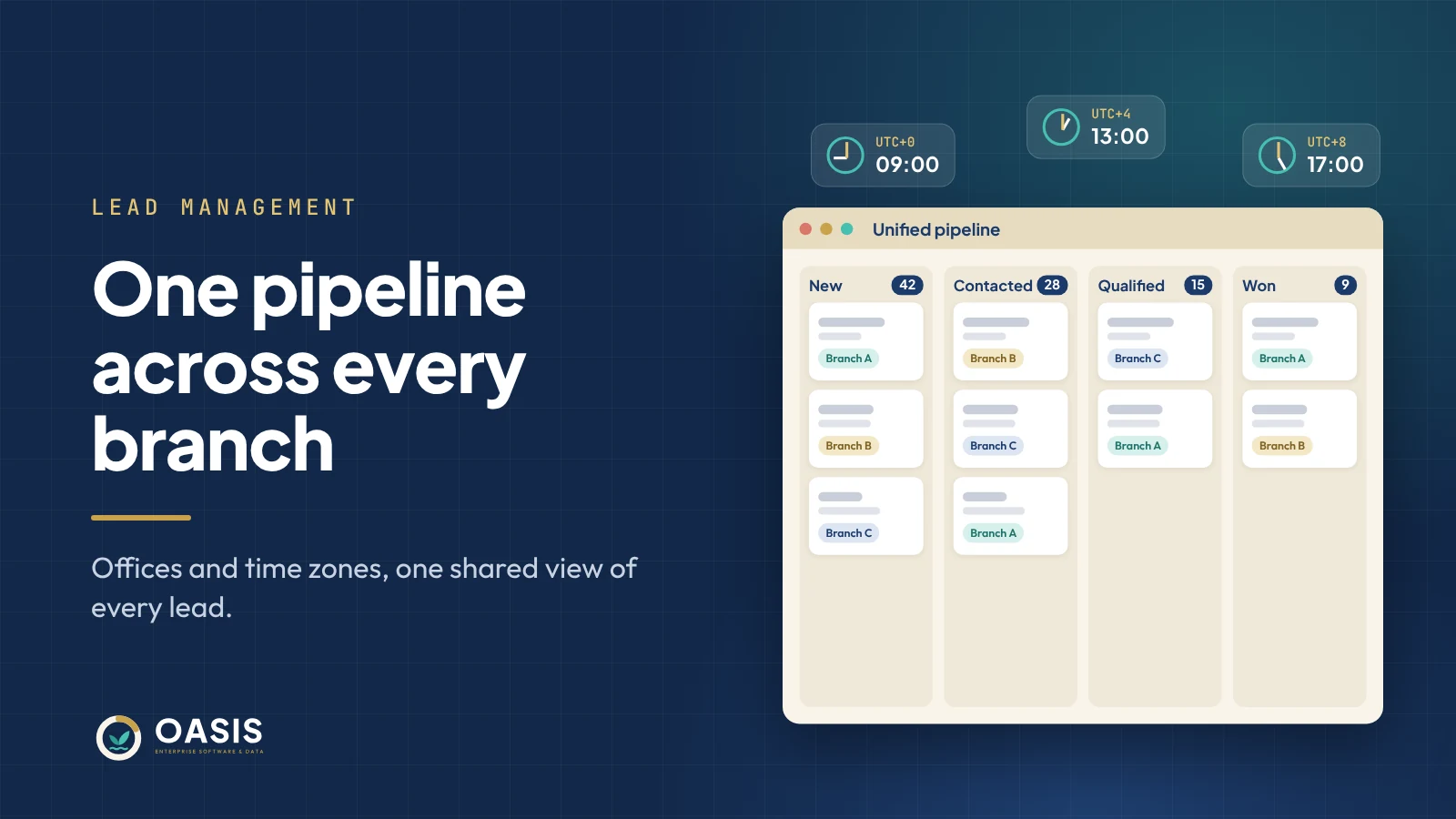
A lead management system built for education fixes that. It puts every enquiry in one place, gets it to the right counsellor in minutes, keeps follow-ups on schedule, and shows leadership exactly where students drop out between enquiry and enrolment.
Why admissions is different from ordinary sales
A generic sales CRM assumes one buyer, one deal and one decision. Admissions rarely works like that:
- More than one decision-maker. The student enquires, but parents or sponsors often decide. Both need to be tracked against one record.
- Intakes and deadlines. Enquiries are tied to a course and an intake. A lead that is not ready for this intake may be perfect for the next one.
- Documents and eligibility. Marksheets, test scores, identity documents and fee receipts move a student from "interested" to "applied" to "enrolled".
- Counsellors, not salespeople. The conversation is advice-led. Counsellors need context, history and the right next step, not a quota screen.
- Seasonal peaks. Enquiry volume can jump many times over around results, exams and intake openings. Manual processes break exactly when the most is at stake.
This is why many institutes buy a CRM, then quietly go back to spreadsheets. The software was designed for a different job.
Where institutes lose enquiries today
Before choosing any system, it helps to see where enquiries actually leak. The same five gaps appear again and again:
- Slow first response. An enquiry that waits a day for a reply is far less likely to convert than one answered within the hour. Students enquire with several institutes at once, and the first helpful answer often wins.
- No owner. When an enquiry is not assigned to a named counsellor, everyone assumes someone else has called back.
- Follow-ups that depend on memory. The second, third and fourth contact is where most enrolments are won, and it is the first thing that slips in a busy week.
- Duplicates and lost history. The same student enquires through the website and then walks in. Two records, two counsellors, two different conversations.
- No view of the funnel. Leadership sees the final enrolment number but not where students dropped out, which sources bring serious applicants, or which counsellors need support.
What a lead management system for education should do
1. Capture every enquiry from every source
Website forms, landing pages, WhatsApp, phone calls, walk-in registers, education fairs, agents and partner referrals should all create a record automatically or in a few taps. Each record keeps its source, course of interest and intake, so marketing spend can be judged on enrolments, not on clicks.
2. Assign it to the right counsellor in minutes
Assignment rules route enquiries by course, campus, language or workload, so nothing sits in a shared queue. The counsellor gets a notification on their phone with the student's details and a clear deadline for the first reply.
3. Keep follow-ups on schedule
Every enquiry has a next action and a due date. Reminders, overdue alerts and simple escalation rules mean a student is never forgotten because a counsellor was on leave or busy with walk-ins. Templates for WhatsApp, SMS and email save time without making messages feel automated.
4. Track the full journey, not just the enquiry
Stages such as enquiry, counselled, application started, documents received, offer made, fee paid and enrolled show exactly where each student is. Documents can be uploaded against the student record, and parents or sponsors are linked to the same profile.
5. Remove duplicates automatically
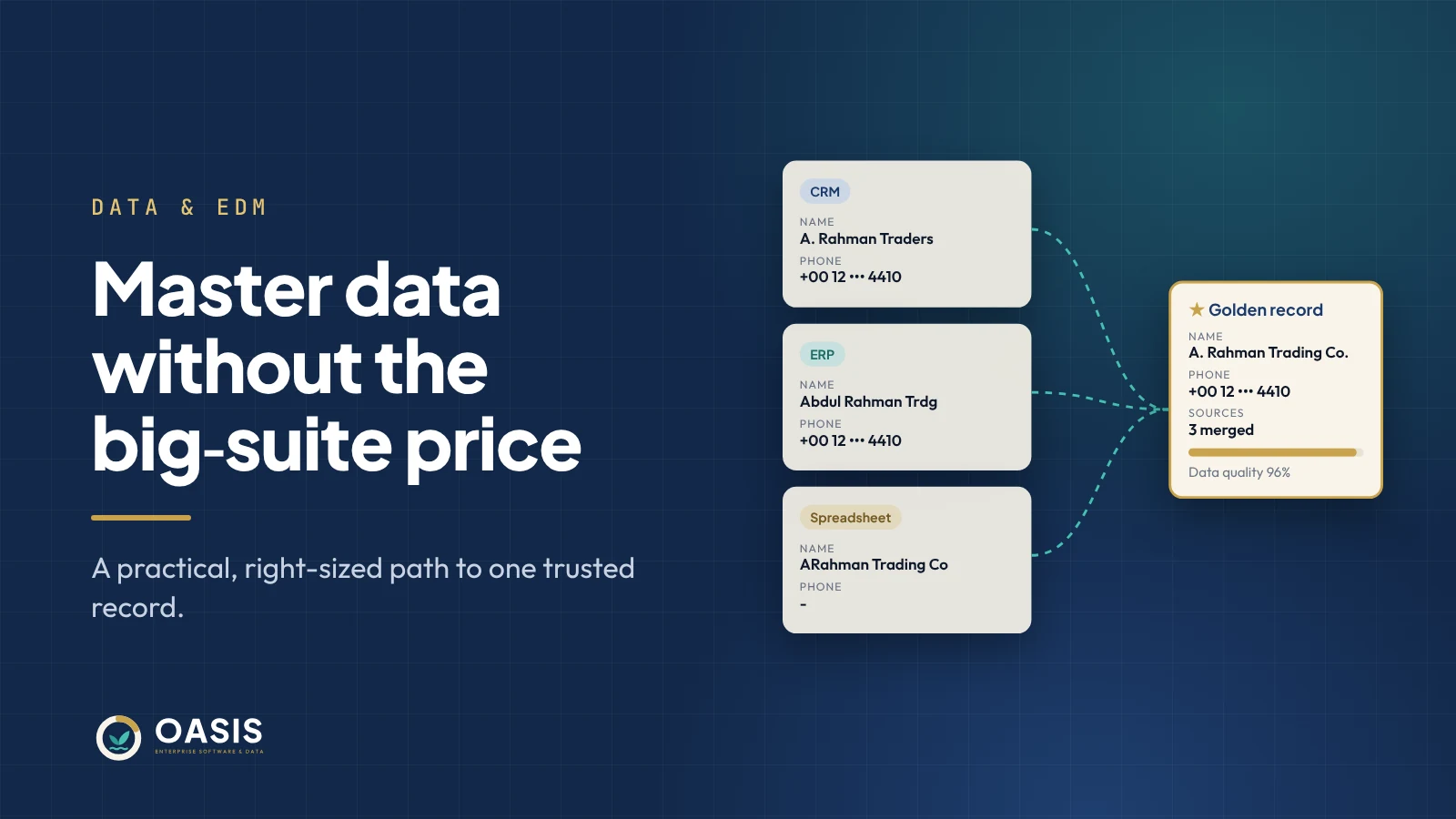
Matching on phone number and email merges repeat enquiries into one profile, keeps the complete history in one place, and stops two counsellors calling the same family.
6. Report on what actually matters
Dashboards should answer real questions without anyone building a spreadsheet: conversion by source, course and counsellor; average time to first response; enquiries without a next action; and enrolment forecasts for each intake.
Features worth paying for, and features you can skip
Not every feature earns its place. In our experience the ones that move enrolment numbers are fast assignment, reliable reminders, duplicate control and source-to-enrolment reporting. A mobile app for counsellors also pays for itself quickly, because so much admissions work happens away from a desk.
Features that look impressive in a demo but are rarely used include complex lead scoring before you have clean data, dozens of custom pipelines, and heavy marketing automation that nobody has time to maintain. Start simple and add these once the basics are working.
Off-the-shelf CRM or an admission system built around you?
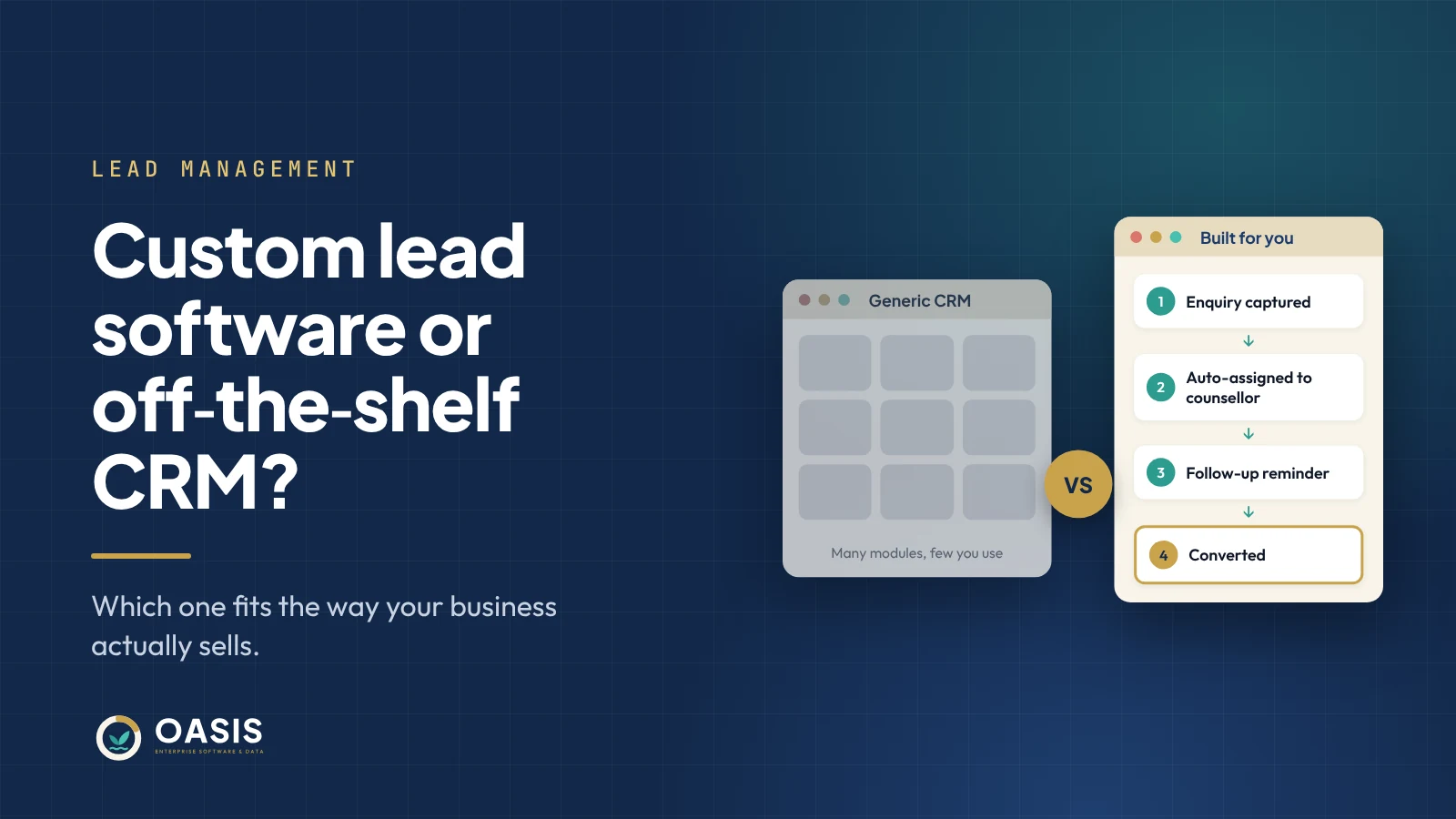
A general CRM can work for a small team with one course and one intake. As soon as you have several programmes, campuses, agents or intake cycles, the gaps usually show: workarounds, extra fields nobody fills in, and per-user licence costs that grow every year.
A tailored admission CRM is shaped around your stages, your forms and your reports from day one, and you own it. We compare both routes in more detail in custom lead management software vs an off-the-shelf CRM.
How to roll it out without disrupting an intake
- Map your current journey. List every enquiry source and every stage a student passes through. This usually reveals the biggest leaks before any software is involved.
- Agree the rules. Decide who owns which courses, how fast a first reply must happen, and what counts as "qualified".
- Migrate what is worth keeping. Bring open enquiries and recent applicants across, clean duplicates on the way in, and archive the rest.
- Launch between peaks. Go live a few weeks before an intake opens, not in the middle of one, and train counsellors on real records.
- Review after the first intake. Use the reports to adjust assignment rules, reminder timings and stages. The second intake is where the system really starts to pay back.
Turn more enquiries into enrolments
At OASIS we build lead management and admission CRM systems around the way your admissions team really works, with migration, training and ongoing support included. See how we approach it on our admission CRM and lead management page, read our lead management case study, or tell us how your enquiries flow today and we will suggest a sensible first step.